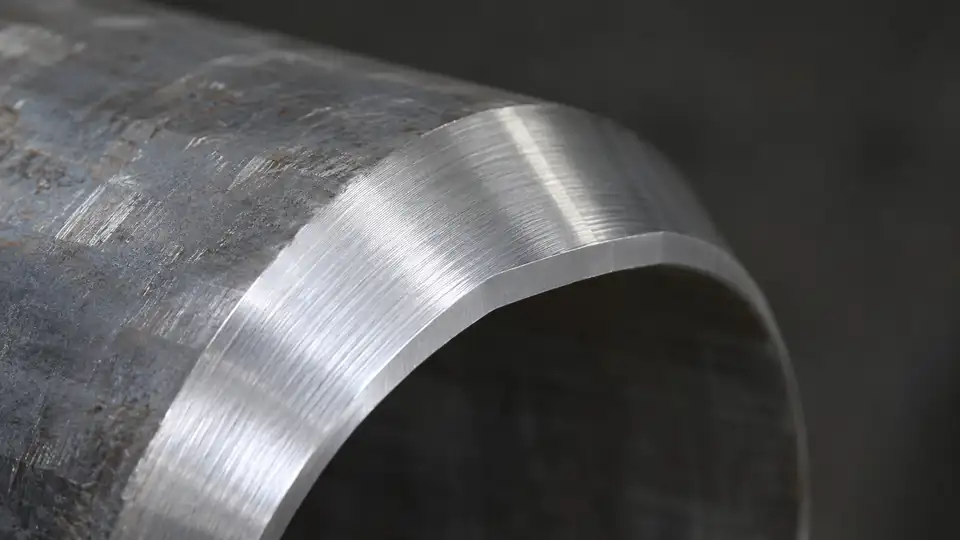
Pipe bevel angles explained: 37.5°, 30° and compound bevels
Why 37.5° is the default butt-weld bevel for pipe, when a compound bevel is needed on heavy wall, and how to estimate weld metal per metre.
Read the guide
Practical, standards-based guides on beveling, pipe end preparation, flange facing and surface preparation, written by our application engineers.
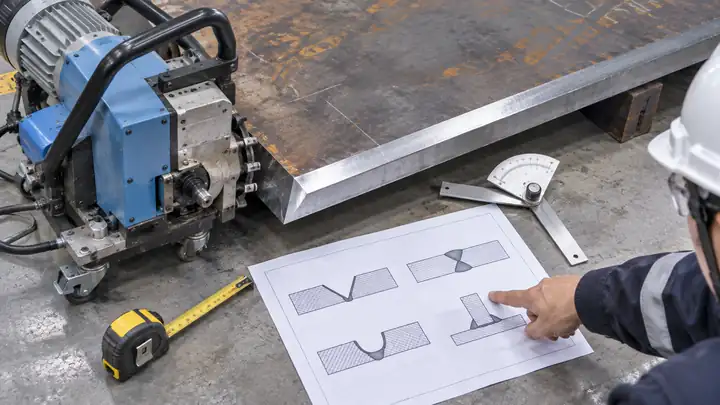
Why 37.5° is the default butt-weld bevel for pipe, when a compound bevel is needed on heavy wall, and how to estimate weld metal per metre.
Read the guide
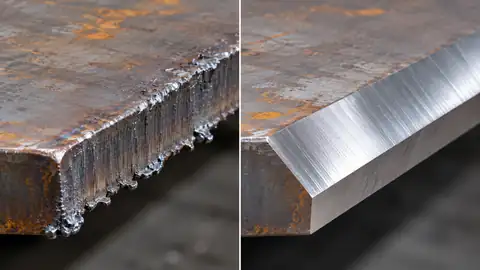
Flame and plasma bevels are fast to cut but slow to finish. Here is how milled bevels compare on accuracy, metallurgy and total cost per metre.
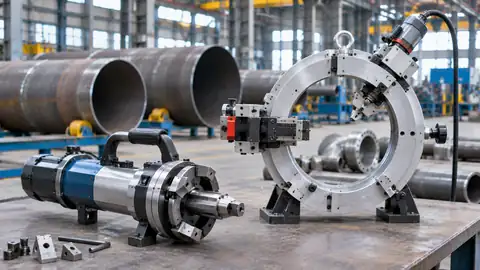
Inside-mounted bevelers and outside-mounted split frames solve different problems. A practical guide based on pipe size, access and job type.
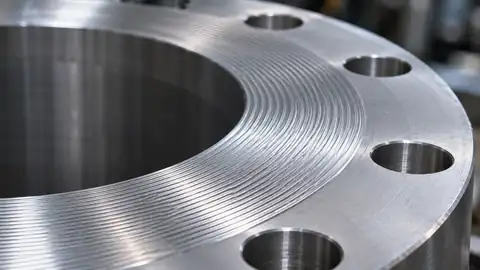
What surface finish a raised-face flange needs, why serrations matter for spiral-wound and soft gaskets, and how on-site facing restores a damaged face.
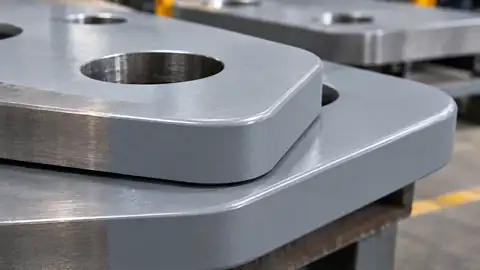
Paint pulls away from sharp edges. What coating standards ask for, and how to round thousands of metres of edge consistently.
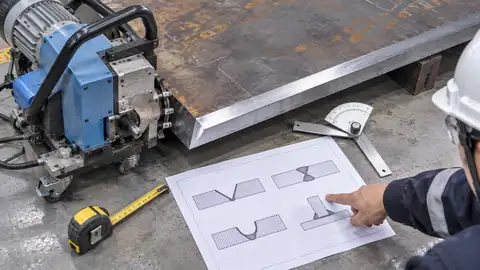
Plate thickness, bevel width, angle range, joint types and plate size decide the right machine. Use this checklist before you request a quote.
One practical weld-prep article about once a month. No spam.